
Using the Reference Property
Effortlessly connect and sync related data across workflows.
Introduction
Suppose your first CIM Triage workflow is focused on a specific company, and you also have a second workflow (such as a Deal Analysis workflow) that may reference the same company. Linking these related entities can provide valuable context and enhance your analysis.
When Can You Use Reference Properties?
- You have more than one workflow in your workspace
- The workflows are related (e.g., they both reference the same company, deal, or entity)
Step 1: Choose a Matching Field
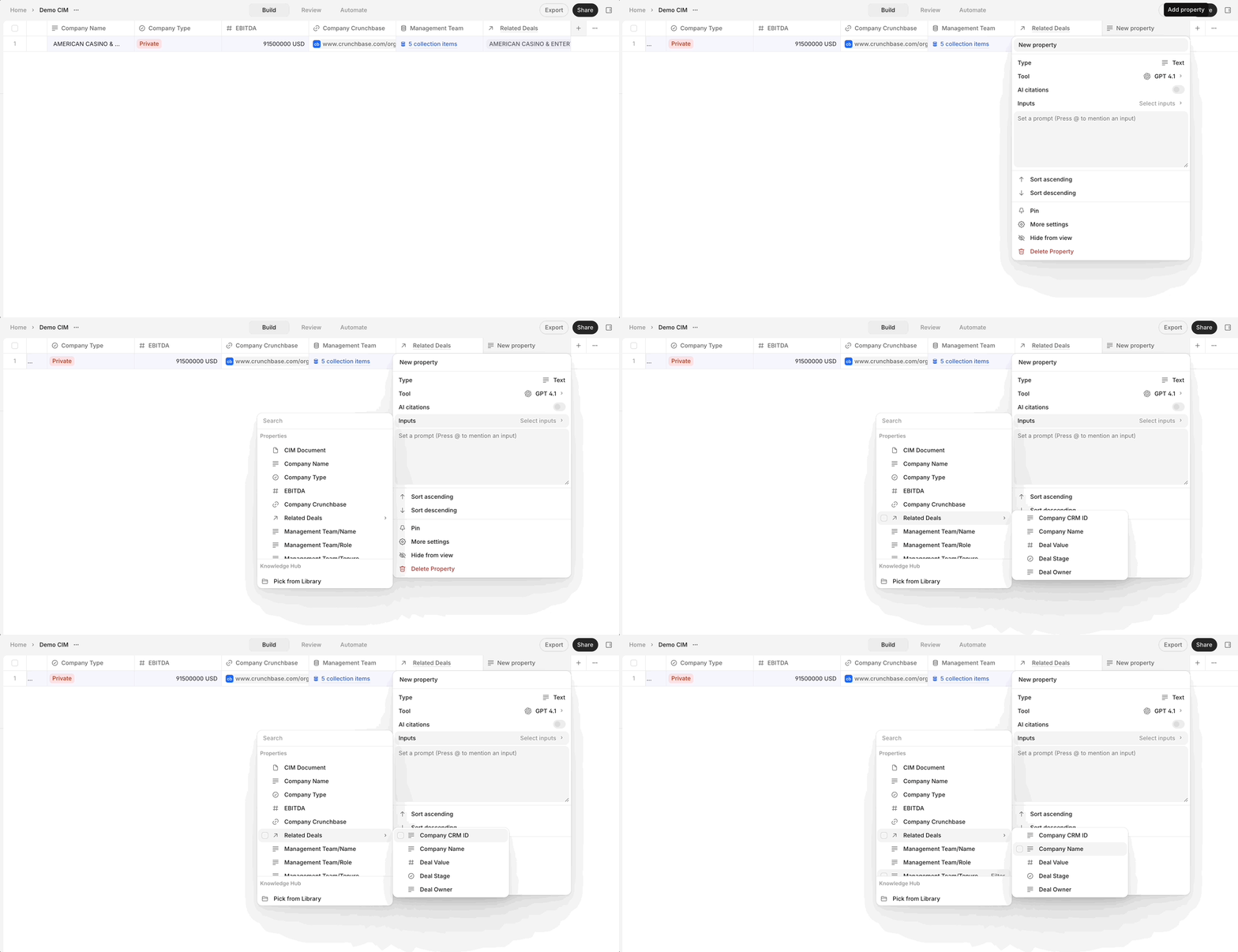
To link entities, you need a field that exists in both workflows and can be used for matching. In this example, we'll use Company Name.
Step 2: Create the Reference Property
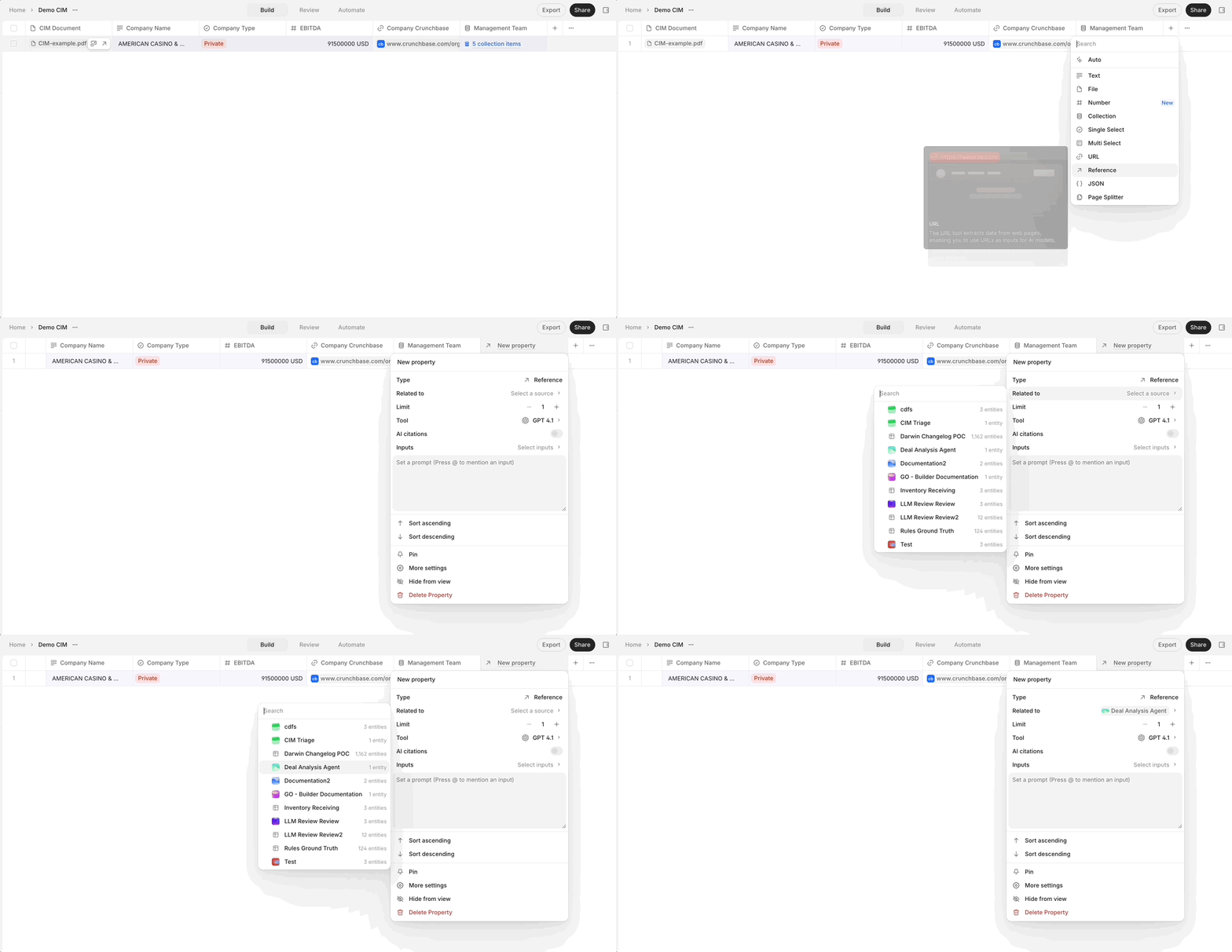
- In your CIM Triage workflows, add a new property and set its type to Reference.
- Specify the related workflow to search within (e.g., your Deal Analysis workflow).
Step 3: Configure the Search
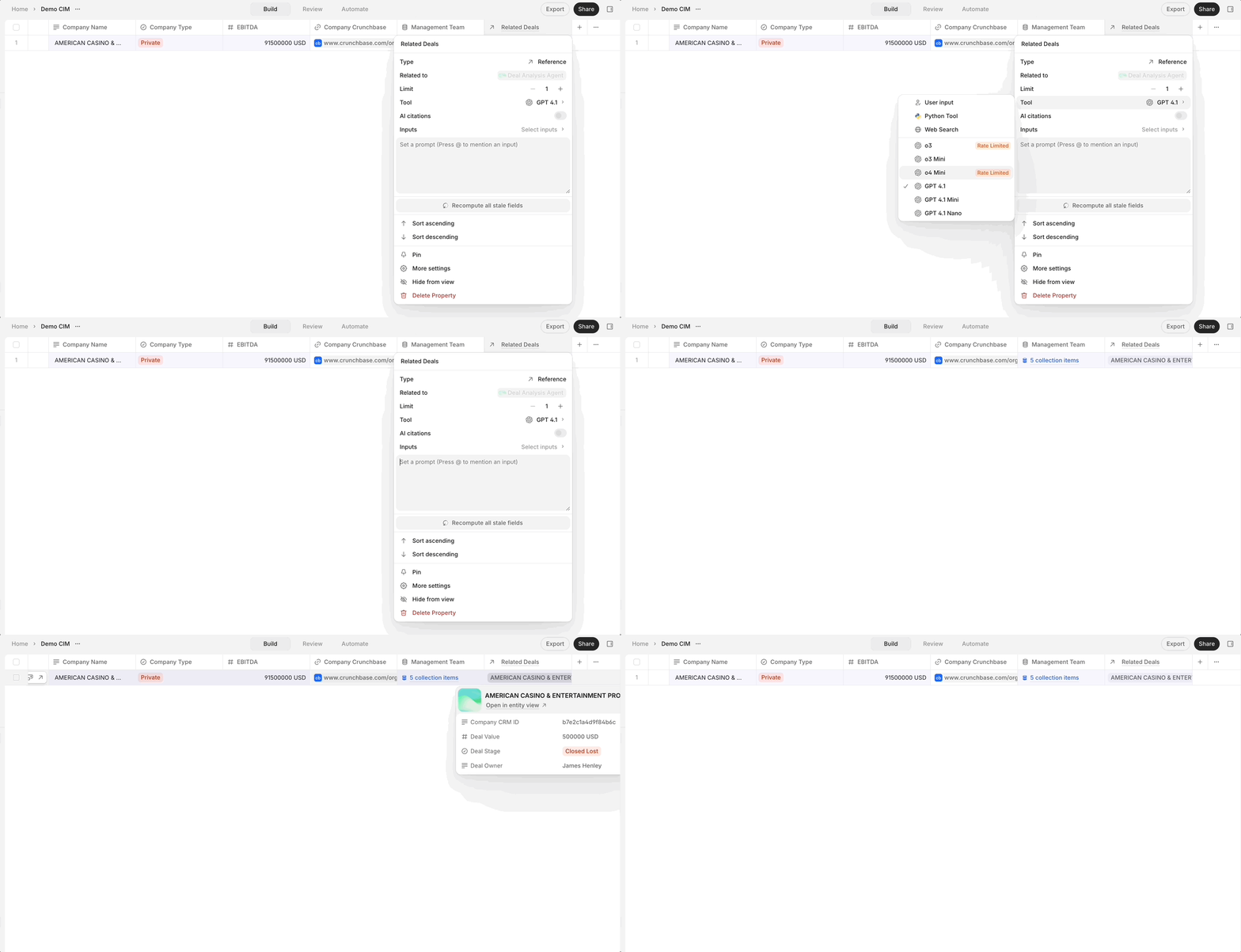
- In the reference property settings, type your prompt and specify that you want to search for matches based on the Company Name field.
- You can also choose manual matching (set Tool to User input) if you want to select the correct match yourself for each record.
- Use the Limit field to specify the maximum number of possible matches that can be linked for each record (e.g., one-to-one or one-to-many relationships).
Step 4: Review and Use Matches
- If a match is found, you can hover over the result to preview details from the other workflow, or click through to see the full entity record.
- Once matched, you can use fields from the linked entity in your downstream analysis, making your workflows more powerful and connected.
Reference properties make it easy to connect, enrich, and analyze related data across workflows—whether you want to automate the matching or do it manually for full control.
Updated about 2 months ago
What’s Next
Did this page help you?